
The Life-and-Death Landscape Woven by Sound and Image: Japanese Views on Life and Death through Anime and Literature
The Life-and-Death Landscape Woven by Sound and Image: Japanese Views on Life and Death through Anime and Literature
In the cultural context of Japan, life and death have never been absolute boundaries of either-or, but rather intertwined, mutually reflective symbiotic existences. The soundtracks composed by Yasuharu Takanashi for Shiki and Hell Girl, with their melodies interweaving pathos and ethereality, establish the emotional foundation for the life-and-death narratives of these two anime series. The anime’s portrayal of death as a daily occurrence and their profound questioning of karmic cycles and fate resonate with the death aesthetics found in the works of writers like Yasunari Kawabata and Yukio Mishima, collectively delineating the unique Japanese perspective on life and death—one that both reveres the ultimate nature of death while dissolving the terror of death, seeking a balance between life and death through the interweaving of sorrow and beauty.
The Japanese view on life and death first manifests in the symbiotic recognition of “life and death sharing the same origin”, which finds its ultimate expression in the plot and soundtrack of Shiki. In the isolated village of Sotoba, the invasion of the Shiki breaks down the barrier between humans and death. Death is no longer a distant endpoint but an existence that permeates daily life. The mysterious deaths of villagers one after another, from initial bewilderment to final resistance, reveal the transformation of death from “abnormal” to “normal”—a process that aligns with the Japanese literary tradition of treating death as part of everyday life. In Kawabata’s Snow Country, Yoko’s fatal fall contains no heart-wrenching wails, only the silent interweaving of snowflakes and flames, integrating death into natural scenery as a perceptible daily experience.
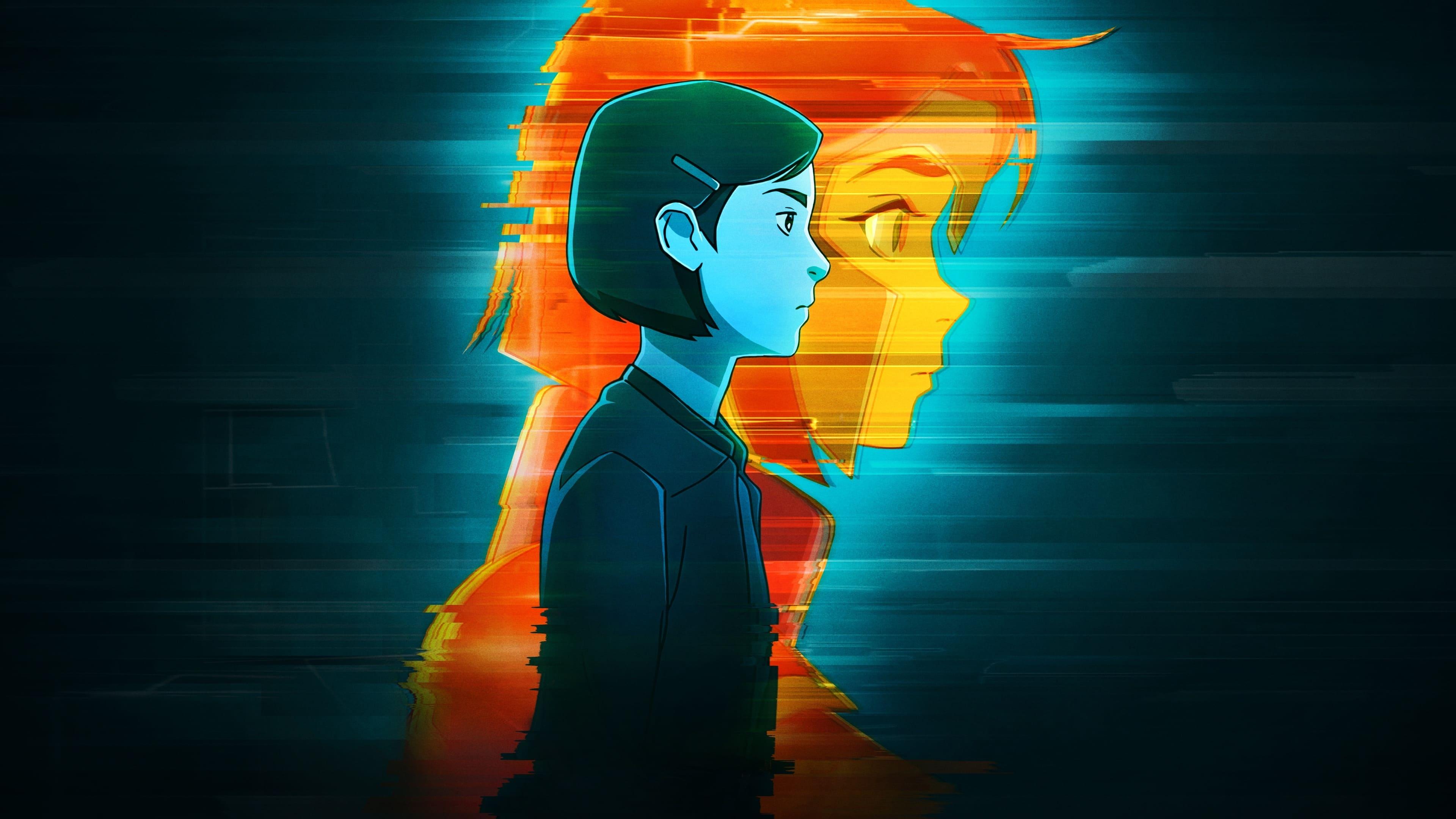
Takanashi’s soundtrack “Eau de Vie” for Shiki, with its interweaving of urgent strings and deep drumbeats, depicts the irreconcilable survival conflict between humans and Shiki. Two life forms fight for existence, yet both fall into the predicament of fate—the survival order that humans defend will ultimately collapse, while the Shiki’s pursuit of survival under sunlight remains an unattainable dream. “Dead Sea”, on the other hand, uses a serene melody to outline Seishin’s inner struggle after witnessing life-and-death tragedies. His questioning of “order” precisely points to the Japanese confusion about the boundaries between life and death. This confusion manifests in Mishima’s The Temple of the Golden Pavilion as the pursuit of “the beauty of destruction”—the act of burning down the Golden Pavilion is, in fact, an active breakthrough of the life-death boundary, achieving eternity through destruction.
The sense of karmic cycles and fate is another core of the Japanese view on life and death, which is vividly demonstrated in the plot and soundtrack of Hell Girl. The “Hell Correspondence” setting constructs a karmic closed loop of “revenge means mutual destruction”: the client unties the red string, the enemy falls into hell, and their own soul will also be eternally damned after death. This “harm others, ultimately harm oneself” setting is not simple retribution for good and evil, but a profound inquiry into the cycle of life and death. Enma Ai, as a witness to the cycle, is herself the embodiment of karma—the injustice of being sacrificed by villagers in life transformed her into a vengeful spirit who slaughtered the village, ultimately becoming the Hell Girl, forever burdened with the fate of ferrying people to hell. Her existence confirms the fatalistic view of “life-death cycles and karmic retribution” in Japanese culture.
The soundtrack Takanashi created for Hell Girl, with the ethereality of the shakuhachi and the mournful quality of Japanese-style vocals, intensifies this sense of fate. The cold melody of the theme song’s prelude, like the mist on the path to the underworld, draws viewers into the gray zone of “revenge and redemption.” Each time revenge is achieved, the melody’s sudden tightening conveys both the client’s brief relief and foreshadows their eternal suffering after death. This emotional tension resonates with Mishima’s view that “death is the continuation of life.” In The Decay of the Angel, Mishima explores the theme that “the sins of life must be redeemed through death” through the protagonist’s reincarnation, believing that the cycle of life and death is the only path to dissolve sin and achieve eternity.
The Japanese view on life and death ultimately rests on the aesthetic pursuit of “sorrow and beauty interwoven.” Whether in anime or literature, death is not an ugly end but a carrier of beauty. In Hell Girl, the scene where Enma Ai sends enemies to hell, with its magnificent visual effects and mournful soundtrack, transforms death into a ritualistic aesthetic performance. The ending of Shiki, where the village turns to ashes in the fire, interweaves the horror of destruction with the hope of rebirth, creating a poignant beauty. This aesthetic pursuit reaches its peak in Kawabata’s works, where death is always accompanied by natural beauty. In Thousand Cranes, the father’s death merges with imagery of tea ceremony and cranes, becoming a pure yet melancholic aesthetic experience.
Takanashi’s soundtrack is precisely the auditory transformation of this sorrow-beauty aesthetics. “Higanbana” (Red Spider Lily) in Hell Girl, with its gentle koto sounds and distant flute melodies, transforms the pathos of death into ethereal beauty. “Epitaph” in Shiki uses a heavy, sorrowful melody to speak of the equality of life and death—death is equally cruel to everyone, yet it also bestows upon life its final beauty. This ability to transform pathos into beauty is precisely the uniqueness of the Japanese view on life and death: they do not escape the pain of death but extract beauty from pain, dissolving the fear of death through beauty.
From the audio-visual narratives of Shiki and Hell Girl to the textual depictions of Japanese death literature, the Japanese view on life and death consistently revolves around three core themes: “symbiosis, cycles, and sorrow-beauty.” Takanashi’s soundtracks infuse emotional soul into life-and-death narratives, anime plots concretize abstract views on life and death into perceptible stories, while death literature provides the cultural foundation for this understanding. In their perception, death is not the opposite of life but its continuation; not a terrifying end but the sublimation of beauty. This view on life and death stems from Shinto’s reverence for nature, Buddhism’s belief in cycles, and a profound understanding of life’s brevity, ultimately becoming a unique cultural imprint through the interweaving of sound, image, and text.